
Surgery
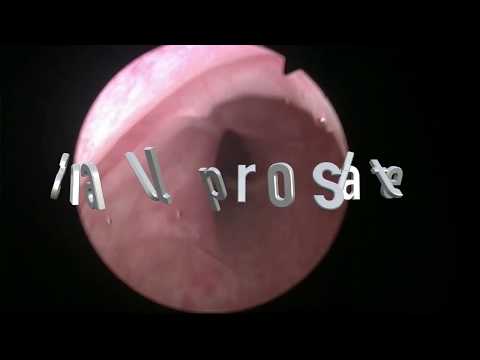
Real life HoLEP case number 4: small prostate
Dr. Fernando Gómez Sancha · ICUA
Dr. Fernando Gómez Sancha · YouTube
Language: English. YouTube audio metadata.
Surgical content for professionals. Contains footage of an operation.
Playback connects to YouTube. Your search query is not sent to the player.
About this video
A HoLEP case in a small prostate, undertaken for a patient seeking treatment of persistent voiding problems. The description records that treatment goal but does not provide a numerical gland size or confirm a postoperative symptom result.
Documented details and sources
Only details explicitly stated in the sources. Missing information does not mean it did not occur.
No clinical case details have been extracted for this video.
Original title and description on YouTubeSource checked: 2026-10-06.
Available transcript · English
Automatic YouTube captions, not clinically reviewed. Names, technical terms and numbers may contain errors. Check them against the video; complete audio coverage has not been verified.
They may contain transcription or translation errors; check the explanation in the video.
- yes no but I think it's a good idea you'll see that everything you learn here it's going to be very good for you when you start and you see more cases you you will be more confident and less stressed and you face some problems we are young guy but he accepts the 26 very nicely it's relatively small Glenda
- you see but it's always it's also interesting to see the let's say the smaller glance salute more difficult and I wouldn't recommend you to do very small glance initially but sometimes it's surprising how much let's say tissue you can take out from these glance and they're the size of the for solid see here also you see you can you can see the edge of the sphincter see that it's it's even very is even lower than this thing to you see it's the opposite of the larger of the bed of the larger glance' so I'm going to mark the limit here
- there we are so now many times in the smaller glance there's not very good laner not as well developed as in the larger glance so be careful I'm doing a little bit of pushing just to see if I can see the edge of the of the plane there and now I'm going to try to connect in the midline let's see I'm Chuck away from Peter it's the 14th such a key place absolutely and accidental damage to people there's some internal polling to notice for that opinion so here we are again it's the same thing just you need
- to adapt let's say the technique to the to the gland you can see there this plane is not solved not so clear yeah that's that looks good I think okay more or less now if we come out you see again the lower aspect has been detached it is the interior aspect that we need to retouch still huh so I'm
- going to cut on the prostate a little bit here now we'll try to follow say the good plain if we can find it
- well yeah sometimes we make you might have some doubts no I'm at the beginning and until you get it's a confident and you need to be careful huh yes but again you see here we have to cut these fibers this is the 12 o´clock area here we're cutting horizontal because we want to protect this thing so that it's right above this area and then once you get a little bit further inside and you can start pointing up upwards you see you've all in which further up there's the sinker is now behind us but you want to get the right until your plane if it's
- possible see there's some no Monty nearly there it's morally sustaining us
- it's a progressive let's say effort to know you we try to advance in the operation very carefully this is we've seen a stinker I'm going to stay in the white line I'm going to cut a little bit and this it's more difficult in a small gland
- again here we will catch very subtle you know you try to avoid
- these fibers you see they tell you where the plane is going so you have to look at the details of the anatomy no no it's probably more or less okay
- there we are that's interior that looks like bladder ah it's the same operation but you know that much much reduced and say I mentioned it's the smallest birthday today
- there we are that looks a little bit funny that looks as if we are getting into the peripheral zone you know sometimes it happens it's not a big problem but you have to be careful sometimes this plane opens very nicely and you think you're developing the proper plane and your limit into the peripheral zone so here when you see this kind of pattern I'd rather get close to the early Norma to continue you know because you can go deeper and deeper into the peripheral zone but you know the quality of the plane is not always the same so you have to get used to different different Anatomy some different of course that looks very flimsy there so we need to be
- careful there and get very close to the other normal because and as I said before he'd be continued here that's a bad thing no so we don't you try to liberate the lateral aspect the bladder neck and then we'll have a much better reference of where where to go in the posterior plane see as long as you do things and say relatively carefully and slowly of course if you continue following that plane below it's going to be a disaster huh but as long as you it's a clever enough to stop and think and look for a strategy that will help you and say about the big problems you're going to be ok
- everything is facilitated by the good visibility you know it's more or less we want to go more or less following this this way no that's the bladder Nick again try to go into check you always find see because when when you can see from the side where the bladder neck is so you can always try to follow let's say a better plane a better plane gives you better orientation and you can correct your
- let's see if we can move up until early space is not limited in this very small gland so this man said he wanted a definitive solution you know that's the his main concern he was not concerned about the declination anymore so said I want to stop the suffering with my nutrition and I have to say if you do blood make incisions patient improve but not to the point where they go and when you do our proper defaulting Nick nation as I said yesterday I I don't think we
- get more bladder next features in there in the smaller prostate population so risk is still very low we are remember to keep close to the enema you see this many times this tissue belongs to the to the capsule and there we are playing in this small glance it's not perfect not very good
- into turn then you see we have some flimsy areas in the capsule but it's not to about lots of such a big problem this is the you on this side stay you on the other side very close this time if you reach the the you are in the home iam typically we don't do anything just monitor the kidneys of the patient in the post-operative recovery but we don't make a big deal of that you know there the amount of let's say the depth of the coagulation effect we problem is very very shallow you know which means that we're going to coagulate the mucosal superficially which hardly results in a stricture you know it's not come on it
- can happen sometimes so that you get very very close or you even you heat it with the energy okay it's more sleep well if you go slowly you know you already know a lot you can differentiate when the capsule doesn't look very right now if mimsy to to not parent sorry very much when the possessions Pratibha intersect when your object
- there we go constellation again remember to not get too close to the to their lens because you don't see where you are keep it a little bit inside it's very safe and we finished and see it was a small amount about normal swing - it's perfect let's go bigger so mystical just a super all the way in