
Surgery
RL HoLEP case 44: En bloc HoLEP technique in an anticoagulated patient
Dr. Fernando Gómez Sancha · ICUA
Dr. Fernando Gómez Sancha · YouTube
Language: English. YouTube audio metadata.
Surgical content for professionals. Contains footage of an operation.
Playback connects to YouTube. Your search query is not sent to the player.
About this video
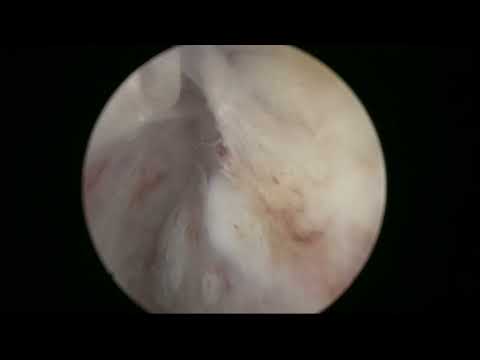
An en-bloc HoLEP in a patient who needs anticoagulation. The recording focuses on careful haemostasis during the operation. The published text describes the aim of an uneventful postoperative course, without reporting that course as an observed result.
Documented details and sources
Only details explicitly stated in the sources. Missing information does not mean it did not occur.
- En bloc
RL HoLEP case 44: En bloc HoLEP technique in an anticoagulated patient
- Anticoagulation
RL HoLEP case 44: En bloc HoLEP technique in an anticoagulated patient
Source checked: 2026-10-06.
Available transcript · English
Automatic YouTube captions, not clinically reviewed. Names, technical terms and numbers may contain errors. Check them against the video; complete audio coverage has not been verified.
They may contain transcription or translation errors; check the explanation in the video.
- hi this is fernandoa and this is another uh real life case of a Hol procedure but this time this is a patient who is uh anti-coagulated I think he was uh having Elis and we of course stopped it before the operation uh as we always try to do and this is to show how in this kind of patient we are a little bit more careful in performing the in nucleation and uh in trying to get a little bit you know more thorough hemostasis if if we can uh in these patients uh despite the you know reports
- occasional reports that uh we hear from colleagues saying I did this under full anticoagulation my my recommendation is to be careful you know because um bleeding from the prostate or the prostatic fosa uh in a fully anti-coagulated patient can be problematic so we try to estimate the risk and try to see what is more risky you know if keeping the patient a little bit short in in in you know anti-coagulation treatment or um the the bleeding itself so you know the only case where I think there is a there is a significant risk of complications is
- the metallic valve uh patients and there of course we uh of course we try to calculate as as as good as we can we try to ensure hemostasis as good as we can and we have an obligation to restart the the anti-coagulation uh with warring very very uh fast but of course we have to always you know be the the the remind if I if I have to say it like this to to our you know internists and nists and intensivists uh and cardiologists you know the risk of bleeding and so we try to tailor let's say the treatment so that patients are a little bit in the
- short side of of of uh anti-coagulation to try to prevent bleeding in this case this man had atal fibrillation so we used the low molecular weight hpin and we sent him home on low molecular uh weight Heparin um for for 10 days and then he restarted the treatment with the lius even though he he complained of mild uh long-term hematuria after uh initiating the the Elis so this is something I Tred to uh explain to the to the patients and here you can see this is a again again and again because I always follow the same strategy for for inblock enucleation
- with early appical release and spest mucosal preservation but probably you notice that uh I'm moving the the fiber a little bit slowlier I'm a little bit less uh let's say bushy to advance and I try to make sure that we uh get a solid first pass hemostasis you see so this is exactly the same as as other cases where I you know start by marking the white line and then entering in one side on the other side and then developing the posterior aspect and now uh in sizing deepening the white line a little bit to get uh slightly better
- access here you see it doesn't matter if you cut a little bit on the adoma this opens like a book you see and and it gives you a little bit better access to the proper plane so even when you cut a little bit on the surface of the adoma you will notice that uh all the anous tissue will be removed and here this is the development of the lateral line Mobil mobilizing the Apex and always trying to connect the line that we are generating on the side of the prostate to the previous existing posterior line so that we have a continuous line that will help us guide ourselves during the the procedure you see the movements are quite controlled and slowly and I'm trying to to make sure
- that uh i' dissect and coagulate thoroughly in the first pass and I think it is a good idea to have in mind that this patient needs a a thorough hemostasis and that's why I think the technique changes a little bit and just just a little tip to have in mind so you see we haven't seen any major trouble for keeping these patients uh with atra fibrillation uh with a uh i' say reasonable low dose of hpin um for for 10 days even two weeks sometimes and of course we have uh
- significant L reduced the postoperative uh problems and return to the emergency room and like that so I think we probably often you know over overestimate the the the risk of having uh cardiac uh complications or emboli or and we maybe don't estimate enough how um patients can can bleed probably there I was having trouble with the leg of the patient sometimes uh the access is a little bit limited so maybe I was moving the leg a little bit outside to try to get uh a little bit better access you see I have some limitation there so I'm going to
- try to to do little movements to try to get to the proper plane so negotiate my access to the to the right uh plane so often you know by liberating you see slowly From Below trying to advance a little bit towards the bladder neck you can try to get some mobilization and then a little bit better access but still you see it's a very very relaxed uh technique very slow motion movement of of the endoscope and here you see I'm now accessing a little bit better I think that's a small
- nodule apparently there not really and always trying to have these long lines that connect you know and that uh serve as a guide the slow movement the control of of of the endoscope you know to do uh slow motion movements will help you progress carefully and there is no need to do you know brasque movement or just keep moving slowly and be patient and try to make the most of the energy in the in the situation that
- you are at at a certain moment so always reflecting you know it's not a mechanical operation that you do without thinking it's a constant concentration while you flow you know during the the the operation of course we want to come to the Apex and cut the appical attachment first so before we continue the dissection of the L coming up towards 12:00 we need to make sure that there's no attachments between the sphincter and the Apex so that we're not stretching the sphincter uh with our uh scope while we try to develop that plane which was I think the main cause before for for posative stress in continence just
- dissecting you know this encircling maneuver that uh many people do just going around carelessly you know without worrying at all and taking care of the what's happening at the level of the Sprinter while you do that so by cutting the distal attachments I think it it gets much much safer when you go up and now you see we should we should see the 12:00 fibers very nicely that's the plane in one side uh let's mobilize a little bit more even to have a better Detachment of the anterior uh part you know when you detach the anterior part uh laterally like that the Apex Falls you know and then you have a much better access at 12:00 to cut the
- the 12:00 fibers so it is a very Progressive and careful approach this is the 12:00 fibers on this side so now we have a point of origin and we have a point of destination on the plane on the other side so it's much easier to understand this anterior part you see that's the destination there and now we have to work on the anterior line okay we have posterior we have two lateral lines and we have now this anterior line that we need to work on trying to make sure that we don't leave anterior adoma because sometimes if you leave uh anterior adoma there it might grow and become obstructive over time so uh but I
- I feel that with this approach we are quite uh safe and at the same time we are very aggressive at the 12:00 area I always use full power near the sphincter I never lower my my settings and I had to say we we see a very very low rate of of post operative stress incontinence even using the lot the higher power which I think simply the procedure because you don't have to uh ask the nurses helping you to change the power settings and play with the screen and like that all these things make you lose time and I think time is an important uh Factor you will see that uh we will do this enucleation in a very short time and this is despite the slow
- and careful movement and the trick I think is the The Continuous dissection you know the fact that the stop shopping time is really really minimal and that we are working continuously you see the touching the plane following the lines you know just carrying this depth of dissection towards the bladder neck in a uniform uh manner you know we don't go one lob all the way and then another lob all the way we go um let's say circumferentially getting closer and closer to the bladder neck and following this lines it's it's it's really a piece of cake it's very easy to continue the dissection and judge judge the depth that you are uh finding in the in the in the prostatic
- capsule is it a capsular plane is it is the capsule white is the capsule smooth is it coherent with the depth that we had before is it um uh smooth you know these are the characteristics of of of the capsular plane and of course is it not perforated which means that you know uh often you have some doubts and and you can revisit the plane if you want so here for example I was wondering maybe we can go a little bit deeper there you see that looks like BPH tissue so I'm going to deepen the plane a little bit so slowly slowly moving around letting the energy do the spreading of the tissue and coagulating
- and you see I try to build always build this line uh you can revisit it you can uh go a little bit uh deeper with your line and correct your plane the same way that if if you find that you're going deep in the plane too much you start seeing you know periperal Zone Anatomy anatomical features fat uh I don't know then you can can correct as well and the trick of this is to use the energy in a way that doesn't penetrate too much so that you can um uh actually stop before the perforation is too too deep thus making the the procedure very safe and you see
- that following this long lines this long rhythmic lines that go from side to side you know of course you you can only see a little bit of the line in the in the image but in your mind you have to have the idea of what line you're following and I have to tell you this is an Paramount aspect of of doing holip you know knowing what line are you following how the plane is going to change so it's not only what you see on the image it is also what you know about the anatomy of these lines and how you imagine that this line is going to go of course the images you see give you confirmation of what you let's say already
- know and uh so we we have to use all the information that we can what we see what we know and what we imagine now this is the three things that uh help us navigate uh around a capsular plane H you see and also when you are able to use the energy carefully like that you can always probe you can always try to see if there's a deeper better plane if you suspect that there might be you know so using a soft effect will help you um you know exploring if the plane is is correct because as we have discussed many times uh
- staying in in the beautiful plane is not always easy also this uh energy uh sources that we are using nowadays tend to coagulate the tissue very well so we don't see the beautiful plane anymore and of course if you find that there's could be a nodule you can always uh dig and try to remove it so that we perform a saf nucle which is also aggressive I very often think about digital enucleation when you do an open uh I'm not sure that the finger follows the beautiful plane all the time sometimes you find a deeper plane
- or and um we didn't get to see the fosa with the level of detail that we see the fosa right now after digital uh in nucleation of the prostate so I think uh this idea of stopping to to to talk about the beautiful beautiful plane and stopping to to think that there's only one perfect plane that has to be found you know it's like the holy gra it's very difficult to find and you know change this concept towards the concept of a capsular plane capsular plane is sometimes the beautiful plane sometimes a little bit deeper uh it shouldn't be let's
- say uh it shouldn't mean that you're living uh at nous tissue uh you know mostly I think when you when you do a nucleation often you are in the beautiful plane and or or a little bit deeper and you shouldn't be leaving BPH tissue we have done a lot of uh inoperative ultrasound or you know right at the end of a nucleation you you stick a transrectal ultrasound in the rectum of a patient and you have a look at the quality of the fosa and I have to tell you the M ultrasound transrectal ultrasound sees everything you know if there is a 1 mm rim of BPH tissue attached to the capsule it will show very very clearly so we have learned over the years that uh This Plane what what I call the
- capsular plane is quite good anatomically correct and but sometimes I had to agree that we might take a little bit deeper route and remove some of the peripheral Zone with it okay so now this is the entry into the bladder more or less at uh the anterior part I don't know if it's 12:00 exactly but near 12 12:00 and here also I'm going to be careful trying to coagulate the mucosal Edge as you know holum Cuts uh by disruption so when it cuts the mucosa it it doesn't always calulate really well and you could have mucosal vessels bleeding that could be the cause for uh hematuria during morcellation and
- also hematuria postoperatively so there we are huh trying to go around you see and on that side of the capsule we saw some deeper regions so we had time to correct so uh we were starting to perforate but we didn't follow through you know just uh corrected before the perforation was established so this is how to uh you know dissect the plane carefully to to try [Music] to stay inside the peripheral Zone and you know sometimes PR it peel off very nicely and sometimes it is quite difficult to follow you know uh a beautiful plane and uh but still if you're are not
- seeing fat you know if you are seeing capsular plane characteristics then you are in a good plane and and that's I think a simplification because there was a tendency before to to publish let's say the beautiful cases the Cherry pigs the selected cases where everything went really well and then I think it was misleading for people who are trying to learn because they said okay I cannot see this beautiful plane that I saw on the video you know because this is unfair this is not you know that the every case reality so most of the times I mean you might see the beautiful plane at some stage but not not not around the the the whole adoma all the
- time I I don't know it's been a while I don't know if I ever saw that you know a perfect plane all around I think I I did sometime but uh so we have to progress connecting the lines you know checking and and also as we have discussed in previous videos you have to use the fiber um carefully choosing the right uh or the best possible I don't like to say the right because it when I say the right way to do things you know when you say that it implies that there's only one good way and there might be more than one you know and I think that uh when it comes
- to manipulating the fiber there there's probably you know different tissue effects that you can get depending on on the working distance the speed of movement and also uh depending on where you target you see that showed a little bit of deepening in the capsule so when we go back there you see I'm going to keep closer to the adoma to try not to deepen that uh already a little bit deep uh region also we have to understand that the magnification that we use to to see inside the prostate is is very big you know the the the fiber is is half a millimeter so maybe that opening we we did on the on the you know into the peripheral Zone probably measures 2 mm or something like that so it's not the end of the
- world and of course we didn't follow through to to do a consistent perforation and that's how you protect uh the you protect the the patient from water extravasation and and complications here we're coming near the where the uo should be so I think probably the next thing I will do yeah is to go in and check we saw that the U on the other side was quite close to the bladder neck so that's uh that's some information that you have to keep in your mind and so you see sometimes we have a hint that we are in a right in a nice anatomical plane sometimes we have no
- clue but we have our lines you know and we follow our lines and then we always check the quality of the tissue after the dissection you know if if the capsule looks um adomus then you have to deepen go back deepen a little bit more often we will find nodules as well and when you when you see something that looks like a nodule you have [Music] to you have to try to dig as well and try to remove the noil the same way when when we did open prostectomy we would introduce the finger in the fosa at the end to check for nodules you know palpate these nodules and then try to take them out so we wouldn't leave at naous nodules inside
- um one detail one detail I think is important is that we can see nodules apically posteriorly laterally but I have to say I haven't seen nodules uh purely anteriorly I think that's because the anterior febr muscular stroma is probably tougher I don't know why uh we don't see a lot of nodules and in one occasion I thought I saw a nodule and it was the [Music] um the pubis the pubis bone you know one of these uh pubic tubercles protruding uh let's say de making some deformation of the anterior
- capsule so be careful uh up there I think we are quite safe to explore these nodules laterally and and posteriorly but maybe if you see an anterior nodule near the bladder neck be careful because it might be the the pubic tubercle especially in patients with very large glands which occupy the the whole uh you know pelvis and um just just an idea to keep in in a corner in your mind in case you face such such situation so there we are trying to go around you see it's been 25 minutes and we nearly finishing the the nucleation but I took my time and I didn't rush the
- the the the dissection so you shouldn't be rushing the procedures I think uh the stress is not on running the stress is more on continuity and structure and keeping the lines recognizable because all these things you know when you have a very good line you don't need to stop and see around you know just follow your line and that will allow you to continue working with uh safety even when you're not having a panoramic view of how the plane looks like you know and I think that's that's very interesting that's uh how we can work continuously even with a limited visual information because I mean we know the anatomy we know the lines and
- that's the tilting of the prostate into the into the blood L and that's the end of the uh 6:00 attachment near the bladder neck so as you saw 27 minutes 28 minutes for for nucleation of a midsize prostate it's not too bad and we were very careful with hemostasis trying to provide the anti-coagulated patient a better chance of um having a an tolerable you know post-operative course so I know that some colleagues uh brag about doing anti-coagulated patients in under full anticoagulation
- like that but I would um advise caution I've seen some very heavy bleedings uh so don't blindly you know follow that advice because I think maybe when you're a super experienced surgeon and your setup is you know very very good and your hospital is is you know properly equipped and like that you you have adventurous uh you know anesthetists and uh other people working with you you're going to you're going to you know feel more safe to to try things but I I would advise gan as these are you know potentially uh high-risk uh patients
- and you know it's good if you take all the possible precautions and the the risk of bleeding is is uh there and the risk of uh you know cardiac problems pulmonary embolism and like that is relatively low uh especially if you use some form of uh anticoagulation and uh that's that's my advice to be cautious and to be to be careful here you see that I'm trying to do uh better better better uh hemostasis so I'm going to be thorough before moving on to to to coagulation that's the fosa
- often in a patient who is not anticoagulated you will you know tolerate a little bit of oozing of the fosa because you know that the the patient coagulation system will um take care of of the final you know uh coagulation I don't think it is necessary to burn the capsule all over you know very very aggressively in every patient because uh I don't know maybe that also you know delivers a lot of energy to the to the to the capsule so I I usually um can live with a little bit of oozing postoperatively it causes minor uh minor you know hematuria the first hours and then it normally stops very well and
- uh but in in these cases I think we have to be Zoro and before changing to to morcellation so 30 minutes I I think we have learned a lot and we have advanced a lot andum and a nucleation is now a relatively fast procedure irrespective of of of prostatic size of course there's always extremes but I would say that the majority of of cases we do are taking under 1 hour and very often you know 30 45 minutes 20 minutes 15 minutes sometimes in the smaller glands so it becomes with experience it becomes a very very nice
- operation uh devoided of drama you know uh it's it's very important to have a good team and I we we have oversized our team you know I have uh three nurses uh working with me uh helping uh during the the procedure one of the nurses um helps the anesthetist at the beginning of the procedure but then of course once the the patient is anesthetized uh she you know starts helping us as well to make sure that everything runs smoothly when we have to change instruments the change is uh very fast everybody in the operating room knows what to do and what to expect and how how to react
- so for example if if morcellation is bloody often they will have a rectoscope ready just in case I have to go back you know take out some clots and do additional hemostasis so the idea is that uh you have a proactive team that can help you that uh is present not only in the operating room but also in the operation itself you know they know what's happening their attention is uh placed on on on the operation so that for example they check that there's water enough during uh morcellation normally you have your eyes uh stuck to the screen during morcellation
- and I think um it's important that they know you know that the the whole responsibility of the operation doesn't doesn't fall on your shoulders you know because you have to you have to control too many things I mean you have to rely on your team to control uh all these things that are not just the operation you know everything that happens around uh and you have to trust them because um you are operating and you cannot control all the external F you know factors against nurses that are you know talking about their things while you operate and things like that you need you need a very focused team that uh wants to make sure that the operation is uneventful and everything is ready
- and fast and then uh it is a great pleasure to to to operate in such an environment um I know that for many people it's difficult because they have changing teams and and like that and I say these cases you need to do a briefing before the operation explain everybody what is their role you know and try to control all the all the details and when I have to do a life operation for example sometimes we are lucky we go to departments who already do a lot of a lot of enucleation and they they know their their job very well but otherwise you need to spend uh a good deal of time explaining everything so that the the the nurses know their job and what what to expect and what to do and
- when to do it and and then of course the operating room is a much safer uh environment for the patient this is a mulation you see the good visibility allows you to bring the the piece inside the fosa or just keep it there at the bladder neck where a this is already inside you see the the piece will clash with the walls of the of the fosa and will not Escape so it becomes very very very efficient and very nice that's a spinus mosa bye-bye then see you next time