
Surgery
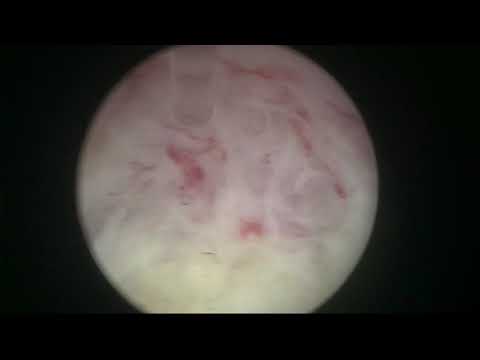
Real life Virtual Basket en bloc HoLEP, Case 26: big prostate, in retention, high PSA
Dr. Fernando Gómez Sancha · ICUA
Dr. Fernando Gómez Sancha · YouTube
Language: English. YouTube audio metadata.
Surgical content for professionals. Contains footage of an operation.
Playback connects to YouTube. Your search query is not sent to the player.
About this video
An en-bloc HoLEP in a patient with a 180 cc prostate and refractory urinary retention requiring a catheter. The description reports a PSA rise from 10 to 20 ng/mL, a previous negative biopsy, a transitional PI-RADS 3 lesion on MRI and normal PSA density. These are the documented findings considered before the decision to operate, not a statement that a negative biopsy excludes future cancer.
The preoperative assessment
The description lists PSA, the previous biopsy, MRI, PSA density and urinary retention as the context for the decision. It does not supply the pathology result from the removed tissue or a subsequent PSA measurement.
Documented details and sources
Only details explicitly stated in the sources. Missing information does not mean it did not occur.
- En bloc
Real life Virtual Basket en bloc HoLEP, Case 26: big prostate, in retention, high PSA
- Virtual Basket
Real life Virtual Basket en bloc HoLEP, Case 26: big prostate, in retention, high PSA
- Urinary retention
Real life Virtual Basket en bloc HoLEP, Case 26: big prostate, in retention, high PSA
- 180 cc
A man with a 180 cc prostate
Source checked: 2026-10-06.
Available transcript · English
Subtitles exported from the original-language YouTube Studio editor. Not clinically reviewed; source identity and timestamps verified, full audio coverage not verified.
Selected spellings of enucleation, morcellation and holmium terms have been edited. This is not a full audio or clinical review; the original captions remain the source.
They may contain transcription or translation errors; check the explanation in the video.
- okay so let's uh start well this man has an interesting story history he had a high psa and a big prostate for quite a long time he had a biopsy some years ago which was negative and uh his psa went from about 10 to 20.
- and his first day volume was 178 or something like that so they decided to give him some antibiotics to see if the psa would go down and he developed a retention of urine an mri showed a pirate's three lesion in the transitional zone and we discussed what was the proper management with him i told him that doing a biopsy in such a large land is quite a challenge and finds whatever deletion is you know he had already in negative biopsy before he had a period 3 edition with a normal psa density and we decided to undergo a nucleation first to see what happens huh i think uh there's some serious bleeder here let's see wants to stop it's very typical from them with very large lamps so let's see if i can mark
- the white line both sides and then progress to enter the plane here i think the focus is not correct i'm not seeing the fiber you see it's not in focus if you focus on the primary it's a better better view overall completing the incision around the vera montana so the size estimation was 180 grams so here we don't see our logs you see very well at the beginning it's trying to find the plane near the very mountain here you see we can see that we entered a reasonable section plane on this side let's see if we can enter the other side and communicate on the midline you see that's pretty chasing these vessels sometimes helps sometimes it doesn't it loses a lot of time so i'd rather rather continue here we don't have good visibility we can
- do a little bit of mechanical pushing sometimes because this will open the plane in the right place and here i'm coming towards the other side you see to connect at six o'clock over the very montana and now we have a nice plane in both sides from side to side there's some space developing look how these ethical vessels do not matter anymore at least you know for the moment but what i i'm trying to say is don't stop too long trying to do perfect any classes you can just progress and usually it's going to be okay especially with mucosal bleeders so here you can see there's a nice development of this plane this is quite a big gland i'm going to put the scope at 12 o'clock so not the scope of the fiber so we can continue with the dissection of the posterior plane i'm
- going to follow the line of the top here you see trying to let the energy develop the plane and do anastasias at the same time there we are and i see that the plane is becoming too flimsy too i don't know how to express it i see that i might be deepening in the riffle zone then i correct the aiming of the laser to get closer to the abnormal this way we keep in the right plane keep progressing safely look at the effect on the tissue of the laser it does open the plane and it does deliver some energy towards the capsule so we can get a reasonable hemistasis as we progress [Music] it's continuing to dissect nicely posteriorly that's an audio no doubt you see it's round and it's yellow typically this very large glance has a very thin
- peripheral zone very thin capsule surgical capsule so you have to be careful and it's expected to have a thin castle there so that's where the nodule was trying to get under it to take it to the anoma here it looks like a very thin capsule starts you know how to say that it becomes more transparent more less solid no more material and then you start suspecting that the capsule is thinning you have to check here later to see left-handed amount of tissue see that looks very thin there it's not looking solid as in here for example so that's what you have to constantly register and interpret huh so we're constantly evaluating the quality of the plane to decide where to go next to decide where to aim the laser next
- typically if the plane is good you can aim towards the line of attack and the plane will keep opening but if it gets glimpse you have to aim a little bit closer to the adenoma here you see up there a little closer so the plane keeps developing but you're not penetrating further in the castle you know very very delicate details i think many hall of surgeons do this without reflecting on it you know due to practice and it's an intuitive way of doing things i'm telling you you know how to do it because this way you don't need to do many cases to realize what is the right way to do it you know that's a good plan you can see it's a good plan it's a nice plane we have developed the posterior aspect quite far quite far
- so we come here again this is the sphincter edge you see this is apix here i'm going to cut following this white line that we marked initially on their normal you see here that's what i want is that i want the apex to be attached from this filter i don't mind cutting into the unknown i will follow this route you see this root that protects the sphincter's mucosa okay coming upwards under the sphincter when you do that you get a little bit better access and then you see you can start developing the proper plane some leaders here so we will control them when they bleed from their normal i don't really care because as you progress with your dissection these bleeders will get without jews you know they will will coagulate their nutritious vessels
- at the level of the capsule and they will stop leading so i'm concerned about leaders on the side of the capsule but not so much on the side of the adenoma here you see we have to cut horizontally here because the sphincter is right above where we are that's a little more closer so we are where we want to be and again you see here as we do these incisions we have better access and we have better chance to do a proper base section of the plane this is again the turbo clock region initially horizontal until sphincter gets left behind you know and then we can start trying to follow the proper plane in the proper plane you can tell because you follow these fibers towards the anterior part here here you continue
- this is 12 o'clock fibers so we are more or less in the right uh region you see here this is continuing the line we have before here always try to connect the lines so you don't carry different lines but you know what you're doing try to connect it with what you were doing before so you have a nice uniform circumferential line of attack that you can follow here again coming up up okay towards this uh region here you see that's what we marked as 12 o'clock so here we go i'm sure will make our life easier but let's go to the other side and we have the same thing you see we have the sphincter mucosa the white line that we already marked initially we're going to cut messaging okay what's in between the normal and this finger huh
- and then of course we can go and look for the proper plane we've gained a little bit of access a little bit of better access here it's initially dissect the posterior lateral aspect of the apex and try to connect this dissection with the line that we have posteriorly you see here you can come here connect connect connect this way it will give the apex a little bit more mobility in this side see here now it's a little bit more mobile and we can continue with the circumferential the section always carrying you know this advance of the apex towards the bladder neck a little bit and so progressively touching the optical part here you see we're coming on top up here we have to pass horizontally music here right at the edge of the sphincter
- and here we want to cut but stay horizontal stay horizontal because the sphincter is above the fiber and once we go in like five or six millimeters then we can start looking upwards to try and follow the anatomical direction of the fibers to secure up now space is very little and we are generating some debris so this ability gets a little bit blurred sometimes but if you know where you are you can continue with your dissection maneuvers come to connect always again follow the direction of the fibers try to follow the contour of the procedure here good so let's continue the dissection towards the interior aspects they're almost in the anterior commissure there and take your time you see if you
- carry a nice dissection rhythm with wood how much does this visibility we are progressing it all looks good and i think this case is going to be it is a big despite the big size because we are managing to do an optical dissection relatively early in the operation let's see where we are here here i think we are connecting to the other side you see so this is wonderful to connect interiorly a little bit better so but now this thing tracking has been detached from the apex so it's just a matter of consolidating the line of attack continuously also as we dissect a little bit more the anterior part here the endoscope will push their norma a little bit downwards and then we will be able to access these areas with more confidence and
- better visibility as i said before try to connect all the lines so you get a uniform uniform line that goes you see all around the prostate and there are no steps no ladder steps you know what i mean the one line that goes to a certain point and then you have to go further distal or further proximal to connect to the other line you want to have uniform lines so a single line of dissection but in order to achieve that you need to connect always think about connecting you see the lateral the posterior the posterior from the lateral on the other side the lateral with the anterior so try to get curry a uniform dissection line let's see where we are here that's fibers of the capsulizing so sometimes so you have to work a little bit on a certain uh
- position sometimes in order to have a uniform line so some aspects are sometimes need more work than others you know sometimes these angles you know need you to stay for a while and try to construct this line so when you see when you of course take care of the leadership if you can so doing the very large glance is not very different from the smaller glands we think it's just a little bit bigger now the dimension changes a little bit and you have to be more patient in the sense that it takes more time to complete things and objectives it looks you see like mucosa from there so let's come to the other side let's come anteriorly see we can simply find a good connection with the other side and figuring here
- going to come back go in because this plane is more developed here you see and then try to bring this plane towards the midline aggressively nicely work on it a little bit like this yeah i want to go there that's progress also it's it's very important in this very large glance to make things better every minute so you want to do things that bring you closer to the end of the procedure so every minute the situation improves things get better here it seems to be a commissure you see there's very little tissue anteriorly i think we want to follow here this plane we want to take the commissure away to go above the commissioner not below and maybe we are leaving a small amount of tissue there but it's very thin
- not really too much here we're coming from the other side here the most eccentric playing we can follow trying to come to the other side and not enter in there there's very very little tissue there really so that's why we are jumping inside and here i think we are possibly reaching the bladder neck area you see it's not so far let's continue with the lateral dissection on the way to the bladder neck it's a matter of patience and follow the basic rules of a nucleation just maybe progress a little bit more slowly checking on hemostasis as you go especially at the beginning when you're doing your first bigger cases you know just go slowly make sure that the most assets of the plane is correct is good satisfactory before moving on to
- something else and this way here we are reaching the because of the ladder next zone so that is it splatter neck so i don't see anything malignant here but we will send the tissue for histological analysis my discussion with the patient was that such a large gland you know everything gets more difficult and the rules maybe change a little you know doing another biopsy pirates 3 mission previous negative biopsy high psa with a massive land so i said let's do the let's do the nucleation if there is a cancer then of course we know then you are a nice candidate for well candidate for whatever you want to have but if you want to have a prostatectomy you can it might be a little bit more difficult but we are seeing very very good outcomes with
- the robot in patients who previously had a laser perspective in terms of continents they're quite maybe they have a better chance of having a temporary period of incontinence no if the bladder neck is very very wide very open they seem to be recovering continents also at the end also operating a 200 gram prostate with a robot it's a challenge we do such cases but this is obviously more difficult and you know there are good chances that your psa elevation is going to be just because there is a you know a big abnorma and there is no cancer and then you know you get histological diagnosis the psa below one after uh home remediation and if you needed that for example radiotherapy it would be much better to give it after pollet than with the 200 gram prostate as well so
- after discussing the pros and cons we decided to undergo this operation because i don't know if i told you but he developed a retention of urine during the follow-up so that's another you know complicating factor if you do a biopsy it's going to remain in retention and finding a tumor in a 200-gram prostate it's possible but it's more difficult these prostates grow very much over the pubic bone and when you do transparent access you cannot target the interior zone which is you have an interior transitional zone you know pirates 3 edition so small and not so clear nothing clearly suspicious so we can find all kinds of cases and we have to discuss with the patient what to do sometimes everything works out really well sometimes it's
- not ideal but what can we do i think that the size of the prostate of this man changes the rules that's too high there it looks like bladder to me no also let's see yeah it's bladder so it's no problem it's just a very high anterior finisher region so we went in a little bit low and now we are correcting so we have had a very nice visibility thanks to the pulse modulation virtual basket setting of this laser and maybe also thanks to the excellent visibility provided by the irrigation of a very small space and we do a block technique here across to the other side cut here over there into your commissioner and connect the previously developed chassis ladder in a cut line like opening there we are it's nice i might have to do some anastasia's around here later or now
- this looks like very clear tissue and well vascularized cells sometimes you can have leaders from this region here okay okay good so now as you remember we went quite deep here in the lane posteriorly so we are now connecting again lateral with posterior and trying to detach the six o'clock area which is the last remaining attachment we have to go in the bladder to see the orifices to see where they are let's go in and watch and look here so not so far but not so close so we are not so worried anymore this seems to be the bladder neck level here so you can cut here i won't go towards the other side i will go from this side because i want to check the eo as well and it's not impossible to damage the wall
- of the contralateral side you do that and if you progress you know from right to left you might save the right orifice but you might damage the left so we have to be careful you see last attachments excellent nice section posterior aspect some vessels there you also we want to come out into the ladder and check the position of the ul here it should be more or less symmetrical you do this one there so again not so close not so close maybe we can flip there normally see how easily huh many people say when you do a block you cannot do large glands because the the prostate would not fit in the bladder neck but it's not true most of the times you normally can flip the abnormal into the bladder without any trouble
- here i'm trying to consolidate and stasis it's a little piece now this is the bottle blast setting but at a very low setting i think this was initially my idea to to we would get maybe slightly better with a double glass setting uh one joule and probably 40 hertz that's what we usually use for himself and just you see it's a very big surface and even when there are no arterial leaders there can be some smaller venus bleeders or you know little little vessels that will contribute to make the medium quite dark and quite bloody so i see that despite the post modulation sometimes you have to go back especially because i think we went relatively fast if you go slowly you get even better you know population and uh we went relatively fast to do the nucleation of this very large gland
- in a short period of time and that sometimes you know causes the need to go and do more hemostasis later the fiber seems to be breaking up which is quite normal with high power lasers here coming to the end around here there and this side was only there but far so we'll stay here trying to finish the job not going too far in the direction of the yo here again again again there we are so final hemostasis check as i said this is a very large land and we went really fast doing our dissection i'm sure we will have a huge porcelain a very nicely preserved sphincter i hope because many times when you have this very large glance the movements of the scope you see can generate but this is the sphincter that's the white line you see that's the contour
- of the center and the epithelium of the mucosa the sphincter is on top of it so so far so good and we will move on to guarantee as soon as i'm happy with the look of this i don't want to keep the fossa completely white white white and coagulated burnt i just want a hemostasis that will allow me to do the of course that's something that could be a reasonable goal when you're doing an anti-coagulated patient you know spending a little bit more to do a very thorough revolution but i i i like it also when i see that there is no significant bleeding but there is uh viable tissue you know not over burnt tissue this is here in the mucosa where you can have leaders that make your musculation more difficult
- more challenging because they bleed a little bit but over time you know they make the bladder medium more bloody and more solution a little bit less comfortable because you don't see what's going on we got really really close but fair enough [Music] reasonable see how the mucosa uh is pushed or you know is flipped towards the ladder as well so sometimes it's difficult to see it from the inside if you don't look so remember to come in here and check this edge okay last last two emulation here right here okay so don't be shy with bigger prostates you have some experience and you dominate the basic sometimes they have a very good plane and let's say difficulty of the brick size is compensated by the
- excellent plane okay so here we are it starts with the musculation going to focus a little bit more towards the tip of the like that so you have a little bit better visibility it seems to be a soft abnormal so it should go relatively fast water inflow open water offload closed backs a little bit higher to keep the bladder distended and then your attention has to focus on the quality of musculation if the musculation is good with these instruments i use a single irrigation line in flow line but i am very very cautious when i can see the inside of the jaws of the the blades because that means that water is being sucked and the bladder might empty so you see here i try not to activate the musculation because that means active suction
- initially also you can have uh of space with this large anomal sometimes you want to musculate in certain in a certain point and the anomaly is clashing with the bladder wall or the bladder egg so you have to find a position where motivation happens comfortably and as the piece gets smaller then things become easier here here we are i like to have the no more below the mars later sorry the most later below the arnold so you can see ladder below i don't know i don't want to be completely surrounded by tissue during marcellation i'd like to see the corners around the blade so i can know if i am too close to the bladder or not typically initially we might have some difficulty stop and start again
- but then things get easier and easier and faster and faster as the piece gets somewhat smaller also when the visibility is good in the fossa we can sometimes once we have reduced the abnorma significantly we can take it back to the fossa you know and inside the foresight will move but it won't go away very far so if the more selection is suboptimal you know if it's there's is sometimes the disengagement happens when there is a stop in the vacuum transmission towards the tip of the you see for some reason maybe sometimes what happens is that the system gets clogged with tissue and for a moment the transmission of the negative pressure towards the tip is interrupted that's a little bit boring this
- i like it more when the constellation takes place continuously without interruptions sometimes it's a matter of finding the good spot where the prostate can move and it's not clashing with anything else you can see a little pink around the blade set up a it's about her continent you see how the quality of the visibility even when there's no bleeding it's decaying you know it's not [Music] this empties the bladder let's palpate i don't feel it's very full so i'm going to wait until i can feel the bladder full again it's also important if you do not know if you do this very large glance you need to make sure that you are in the best possible let's say situation in the sense that if you use reusable blades it would be nice to have a new one you know that kind of thing
- to maximize the more solution efficiency it seems to be getting better let's see button there's a button in the perennial system that unclogs the system it provides a very strong push of the suction and sometimes when we see this disengagement of the piece from the jaws of the blades we press the button and then there's some suction faster suction that unclogs the blades and bring the we are normal back to the contact with the jaws which is what we want but i think in general we are doing better than at the beginning one of the nicest aspects of the piranha system is that even when morcellation is tricky difficult whenever it does contact it takes big chunks of tissue out especially these fast blades
- you know and uh even when you have a problematic musculation it doesn't take you hours or still minutes of course for a patient like this i mean we will remove the catheter tomorrow morning as we do with other patients this is now seven o'clock p.m in madrid so the catheter will be removed in the morning and he will be sent home so i think it's still worth it if we have to struggle a little bit sometimes with musculation as compared to other surgical techniques where we have to open the abdomen or insert chokers and do laparoscopic or robotic amnectomy so it's worth trying the endoscopic approach you see i don't know what is the total operative time now but it won't be much very often we can do these cases before one hour
- i love this unblock technique because it really changes the paradigm and i love the pulse modulation because it really gives you a much better tool for facing this very large glass this is changing the landscape i think i keep getting messages from colleagues who watch these videos and start doing and block and start appreciating the advantages so i'm very happy that they are experiencing the same joy that i am to see these cases that are apparently complex to be solved so easily and so swiftly so elegantly and it's very nice to see the patients later who are so impressed by a little suffering they had to solve their problem you know their urinary problem many times they come after having seen other doctors who say things like
- this is too big for laser or this is too big you need an open operation and they are even more impressed you know when they see that this is possible okay we are progressing quite well i think the basket must be getting full now and also the water canister maybe we have to stop and change before we can finish yeah there we are so i'm going to close the inflow wait until the basket is changed and the water bottle is changed okay reminds me of the formula one boxes you know when they have to change the wheels you have a team that is able to change the instrument very fast you change the bottle change the canister everything then you can proceed with your morcellation very nicely [Music]
- so now the vacuum is generating pressure again negative pressure we are almost there ready to start again i think okay this is like the formula one boxes sir you need to train your team so they are very fast and they don't interrupt the flow of the operation you see it's a very brief pause you can check that the wire is full but remember to stop the water inflow you don't want to keep the bladder over distended when you stop you always have to keep count of what's coming in and what's going out of the bladder well this is the boring part it's a necessary one and it's less boring than it was before so how is it so there we are i think it's going to be more than 150 grams of tissue probably
- there we are it's very nice to work with a team that can help you that know what they're doing you know so when you have to face a difficult situation you feel accompanied you know i don't know protected by them you know so now that's the bladder and this is the fossa there's always some clots forming inside very fast but the hemostasis is very good that's a very sphincter off we go within