
Surgery
Real life HoLEP case number 1: MOSES 60 g prostate
Dr. Fernando Gómez Sancha · ICUA
Dr. Fernando Gómez Sancha · YouTube
Language: English. YouTube audio metadata.
Surgical content for professionals. Contains footage of an operation.
Playback connects to YouTube. Your search query is not sent to the player.
About this video
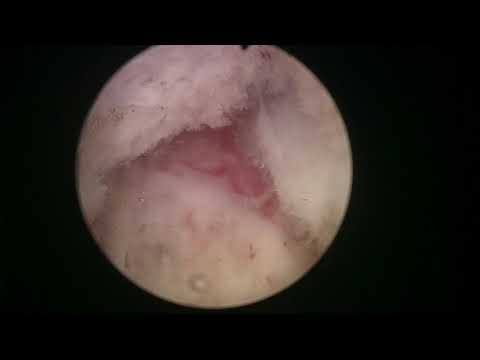
The first case in the Real Life HoLEP series, identified in the title as a 60 g prostate treated with MOSES. The series was created to show daily operations and situations that can be lost in edited congress videos. The stated teaching focus is en-bloc HoLEP with early apical release.
Documented details and sources
Only details explicitly stated in the sources. Missing information does not mean it did not occur.
- MOSES / MoLEP
Real life HoLEP case number 1: MOSES 60 g prostate
- 60 g
Real life HoLEP case number 1: MOSES 60 g prostate
Source checked: 2026-10-06.
Available transcript · English
Subtitles exported from the original-language YouTube Studio editor. Not clinically reviewed; source identity and timestamps verified, full audio coverage not verified.
They may contain transcription or translation errors; check the explanation in the video.
- so here we are today we're going to start our session and we have this patient who was the stock see we have this patient who is a 73 year old man who has a mid-sized project and was very bothered by his symptoms of frequency and nocturia and on also sound he has a static size of approximately 60 60 grams and he has he has high residual urine volume so we're going to perform a whole new manipulation of the prostate using the moses system we have here dr.
- bugaloo from south africa today with us so I'm going to record all the operation and they play explanations that I'm going to give him doing the operation this is our first case together you can ask any one time no no it's ok this is a 30 degree lens and I'll show you the tip of the instrument the tip of the instrument I like it very much because it's very blunt you see so I reach our one instrument and you see that the lens is a little bit inside so this allows me to do a little bit of mechanical dissection if I need to especially to find the plane at the beginning of the procedure so I'm going to do this is yeah this is white balance 26:20 there we go there's a good urethra apparently here we are here it's a little bit tighter near in the
- sphincter so I'm going to dilate very gently also the entrance is let's say favored by the shape of the typical so if it doesn't dilate gently I will use a dilate or something but I think we're going to manage to negotiate our passage very very gently very gently there we are we are that's the Severo and this is the shape of the sinker typically we don't look a lot a lot down here and it's very important for the technique I'm going to show you yes I do use the artist I like it a lot but only when I have trouble going in so if there is a me at all it's a molecular urethral stricture or something I will definitely yeah it's a little bit trabeculae that bladder I like to do a cystoscopy that I own I'm not very aggressive moving around because I don't
- want to cause excessive bleeding that will make things more difficult let's see where there you are is the same with au oh I know that's you always probably around here I'm not going to do excessive force to see the UO because we can see it later from then we are middle load a lots and then problems last illicitly okay so here as we go out you can see the shape of the sphincter so it's important to try to recognize where is the sphincter going it's a little bit tilted forward so you see there's a filter probably from this part downwards whereas here you can come all this way and there's no no active think there probably no so I'm going to mark let's say the limits up there with a burst of energy like this you see there will be some bleeding what initially
- so and then I'm going to come down following the shape of this thing so if I go out again you see the speech is perfectly perfectly safe there now let's do the same thing on the other side this is going to be the landmark for the operation right the problem sometimes is in this kind of prostate which is not so big we find that but the irrigation of the scope is not very good because the sphincter is actually closing over the the let's say drainage orifices you know what I mean yeah it's the sphincter is closing on the on the drainage orifices of the scope which means that there is inflow but no a flow and that's why let's say the blood pools there no but more or less we have some some mark we have some information of where the apexes so
- I'm going to try to progress a little bit see this is a very Montana here so I'm going to cut the mucosa close to the environment and I'm trying to connect with the this part and here's where we will enter into the plane so if you put your scope here just by the very one tunnel yeah and then you do a little bit of pressure like sideways naturally you will find that you enter the the plane okay so more or less that's going to be our plane I want to I'm dying to develop a space here so we can have some better it's a visibility that's why I like this tip of the scope because it's it allows me to do a little bit of mechanical dissection very very gentle at the apical area so here we will do the same this is the other side of the very one column
- here I'm going to come or follow this white line is the barrel so I'm going to put my tip of my scope here let me shower Wassily are classy willing to say especially bad because we don't have space okay so that's the entry into the plane again there you are you see that irrigation is terrible at this moment so I'm going to cut over the very Montana you try to join these two planes in one and see if I can make some development of their superior let's say space between home alone I'm a little bit uncomfortable with the position of the lead camera maybe you could tilt it a little bit so it looks a little bit towards me you see that's that's the posterior plane let's see let's see we can open once the once the plane has been developed a little bit
- so you can see that we have this is the this is the proper plane this is a very Montano I'm going to put the five R at 12 o'clock also I'm going to raise my chair a little bit oh it's okay so now basically this operation what you do is you put the scope in a position that lets you split the screen in half half of the screen is going to be really Noma and half of the screen is going to be the cut zone all right in the middle we have what I call the line of attack or the line of dissection all right so this is where you have to look more or less try to keep half of the screen occupied by the capsule and half of the screen occupied by the Anoma and then we're going to try to develop this line all right this is the line of attack you see that my fiber is now firing towards
- the line of attack okay so you could fire against the capsule like this but what happens to believe that you will penetrate the capsule that's not good or you could fire against the Anoma that's probably less efficient in this moment although it's going to become very very useful later so initially we fire against the line of attack try to split the plane try to develop the plane you see this is the 100 what we are using two jewels and 50 Hertz with the mostess system the moses provides very good regulation you see that while we develop the plane it's providing very good population on the plane as well so I like it very much because of that because it gives you excellent let's say visibility so I'm going to develop this posterior aspect until
- it's comfortable odd I wouldn't say especially sometimes the plane changes the direction and we start getting let's say below the bladder neck so I don't want to get there yet so I'm going to just develop a little bit of this plane so we can come out and see that there is some space you see that has been developed okay now you see also that's the posterior aspect of the plane has been of the sphincter has been separated from the from the apical aspect that is the the white line as we marked it all right so here when I'm going to the next is to cut on the other Noma I'm not trying to develop the plane now I'm going to make a cut on the tissue and they are not following the the white line this is happy color with suffix alright so just in the lateral this is lateral load but
- initially you see I don't try to go to the plane I just cut on the adenoma you see this is this is my cut but what happens when you cut on there normal what you're doing is detaching the apical prostate from the from this thing so this way we gain much better access to go and look for the good plane all right so here this is a pickle is this sphincter alright so what I'm going to try to do is to develop this ethical plane coming up coming up but always keep in mind where is the sphincter and we have the luxury of white line the white line that we marked on the beginning to be exactly sure or worthy so when we come up here you see that's the white line here I'm going to cut mostly horizontal you see because I want to be touched they're a normal the effects from
- the Slinker and I want to take the battlefield a little bit more inside you know what I mean so I don't mind cutting on the other noma at the beginning now here of course we have to follow the right plane but by doing this incision what we're doing is taking the bubble filled more inside far away from the finger that's because as we know one of the problems of colic in several groups is the incidence of temporary stress incontinence and my theory is that in a big part on a big proportion this this incontinence is temporary because the sphincter is not totally damaged we have people recovering continents because and maybe the damage that needs recovering is that the classic technique the sphincter is peeled off the epithelium you know the mucosa of course surgeons
- will do free love classic technique halep they don't look at the sphincter like I do you see when we are dissecting the lateral or the lateral plane alright so this is again normal Mikasa normal Mikasa this is the white line this is I'm going to cut initially on the ergonomic on the early normal here we are again coming up because if I do that of course this is not the right plane but I have more access I have better access and now I'm going to look for the good plane so I found this is a very important trick to be able to detach the effects early in the procedure this is what we call the early article release or liberation which will protect as well as thinking from fraction know if if we are able to distend the sphincter less time in
- the operation unless aggressively it will it will be better huh no we are coming up we're not trying to follow the good plan but also looking at the see the white line here again this thing is what we'll have a ball I'm going to touch for example which means that we are let's say leaving asking to be fine and then I are we fighting to go like a good plane and try to communicate let's say the incision or deliberation we did in this side with deliberation we need on the other side this way I will manage to I we managed to communicate both planes here it's not so clear we need proper ladies and happens sometimes but mine chest is too let's say release the sphincter anteriorly you see so now we can
- cross from one side to the other you see until early manage to release the effects want to be early in the operation following those scripts that I told you Wow it's develop a little bit the unclean your plane and I will show you how this thing that looks after this liberation here we're coming also you see the fact that we didn't do any cut in the prostate allows me to save time because these cuts you know mostly from the beginning I'm developing the plane whereas when you do cuts the cut is not developing the plane at all and also you can see that now we are irrigating this very small cavity you know between the Nama on the capsule and I have excellent visibility because the irrigation is extremely efficient
- in this very small cavity huh see that's the plane we developed before let's trust sometimes we see the plane very well sometimes it's not so evident so you have to do your best you have to follow the line and the fact that you know that the plane is circumferential cuts a lot you see you can work almost without stopping or giving the doing the operation as I promised I'm going to come out you see look at this thinker huh this is a sphincter and the mucosal on the sphincter has been preserved let's say completely huh we marked our white line and that I think explains why you have so little incidence of let's say post-operative stress incontinence and I think this is a major advance this urea is usually not a big
- concern among patients we have the occasional patient for us in Syria but this is not like the DC area we used to see with the green light laser when we use the 80 watt laser because the in that case the patient was calling you every day through suffering all the time patients here mostly complain of misery at the end of oiling I think like that it can perfectly respond to non-steroidal anti-inflammatory drug you know so it usually mind might symptoms similar to what you would expect that what you are doing it's not specially a big problem at all most of these patients can go back to their normal life in 3 or 4 days first I tell him not a new exercise negros exercise or half intercourse for two weeks usually I tell in two weeks because
- I think if they do exercise they have more chances of meaning the blood pressure goes up they have a wound inside we had a marathon runner who run a marathon very early after the operation and he bled fight Vivien Leigh of course it was not if not this guy knowledge some more patients have tried to have sex let's say before the two week mark because we are anxious to know they have erections yeah but that's not a big problem they sometimes they tell you after that I have more irritation I had more that's why I tell them they can easily take one but you see we are dissecting the plane very naturally circumferentially here it's a very important change you see these are careful or fibers you see this is bladder neck
- circular fibers then here they're starting to go more vertical this is the unequivocal sign that we're going to enter the bottleneck alright so that's how we can go in the ladder neck safely some people are little bit afraid of this concept of you know when they are used to cut the leather leg first and like that they always have a reference but really it's not so difficult to find out and most people when they come to see places with us after the second or third case they they know exactly when I'm going to enter there let's say the bladder look we had haven't seen bloater since the beginning that is of course because of this later it's a modulation of the poles the most is not only but also because if there is a vessel while it's bleeding in this
- very small space we can easily say correlated and the blood is going to be washed you see very fast whereas if you have connection to the bladder from the beginning of the procedure as it happens when you a new plate the long middle lobe first then that the blood is going to enter the bladder and then it's very difficult to wash it out you know there will always be some degree of turbid turbidity in there in the irrigation of fluid flow so here you see it's very interesting initially when you do the opening of look at the fiber this is the direction of the plane at the beginning when you go up the direction is up when you go lateral it's natural and when you go down is down all right but as we let's say across the equator here what happens the direction of the
- plane is going to change no now in the lateral part it's going to be more like that going this way in the upper part is going to go down you know again in the laterally is going to go medial and in the posterior aspect it's going to go up so here is where the strategy changes and here in order to be able to dissect these planes without perforating the capsule you see before we were firing at the line of attack but now we're going to fire a little bit more inside remember I told you this will come handy later all right so the idea is that when you let's say come to this point it's important to keep in mind that you should keep the fiber a little bit closer to the tissue and why is that because you see yeah you don't want to undermine you don't want to go
- in the capsule because of the angle you see if I work here I'm going to go in the capsule if I work here I am let's say developing the plane but their capsule is suffering a little bit and sometimes it's very thin and you could damage the but if I work you see almost in contact with the adenoma you see I'm going to be able to release the fibers that are still not touching the normal to the capsule but there is very little energy going to the capsule you know just maybe sometimes I see so that's the very important trick to be able to dissect this explains it's paramount so every time if I go from it say from right to left when I go back from left to right I have to go a little bit further up you know and then again I go a little bit further up you see so basically
- what I'm doing is I'm trying to dissect this plane that is almost perpendicular to the fiber you see by following that simple trick now here we have bladder neck again here we can cut the bladder neck you can circumcise you see the the bladder neck circumferentially that's the middle lobe but here it's a good idea to enter and try to see the UO this is too close you sell that over there maybe here so we have some distance and we can safely work on the bladder neck without too much concern for the UO although I tend to recheck it if I need to because sometimes you can be let's say miss miscalculate here we are so let's go to the other side I like to keep try to keep the operation very symmetrical because if you don't do it symmetrical you might get
- yourself into trouble or make it more difficult for yourself if you we do a symmetric operation it's quite easy to understand and you can follow let's say the planes a little bit easier you might think that we are living tissue behind but I think we're following a reasonably good plane I'd like to do a transfer call of sound control after the operation to see we left any only tissue behind and most of the times you can see that the delineation of the capsule is very good if you think about it the fiber measures half a millimeter to five 150 micron which means that the bumps we see here are actually a mini metric or sub millimeter so you see we have the bladder neck already let's say released almost circumferentially that's the you all so now we
- only have to catch the lower part you see we can go from side to side you see and we have already almost finished here I'm going to go from one side to the other side like that so in this case the optical dissection was only be tricky because of the initial bleeding but of course it was quite quite fast it's not 20 minutes yeah operation half an hour operation most of the times you see that another amazing advance of of this of this block mutilation no endoscopic a new creation of the prostate may be the development of passed modulator pass modulation has changed everything because we have gone from spending I don't know 45 minutes in modulation to spending four or five minutes so here sometimes I take my fibre down
- again towards this 6 o clock to be to be sure that we don't damage the you all here you see it's a little bit closer than we thought on the original so I'm going to go let's say from the inside first and let's see if we can make sure that we leave it untouched we are where this one is safe let's go to the other side I like to do it from lateral to medial because you know I have much better control did you go you follow this way you've might you see dissect and end up damaging the you all with your fiber you know what I mean so I think it's sensible to be careful and at the end everybody let's say develop his own tips and tricks and techniques but I think in principle we have achieved several things one we
- have promoted we have when you say conserve preserved the sphincters move closer to the competition there the seal of the mucosa with Mufasa is not going to be lost as it can be lost when you do the Phillip technique without care of the lower aspect some surgeons who do and I myself when I do Phillip technique I mark the optical white line exactly the same because it allows me to go back and be very careful when we are dissecting the plane okay so again let's filter perfectly preserved perfectly covered by mucosa huh then we have the fossa ah you see there's some bleeders so I'm going to do some check now with the correlation we have also Moses in the population let's say setting so that means that the reach of Violation is going to be a
- little bit further or makes it a little bit more comfortable my fiber trembles a lot because I'm not using any guide or the fiber uncomfortable maybe I got used to that and it doesn't represent a problem to me I am very let's say practical I want to make things very simple and I for example some people use irrigating countries I don't like to make things more complicated so I just use the gravity irrigation I don't eat the water going in it's just room temperature and try to keep the operation as simple as possible - if you think about it with suggestor half a millimetre fiber an endoscope and then of course most religion what is very important is that the this this operation is not a solo operation which means that you need proper help to do
- it successfully so the teamwork is paramount huh and I have three nurses working with me let's do the ultrasound let's do the ultrasound I'm going to leave the endoscope now I'm using a sterile laparoscopic sheath to dangle a spoke hello to have a look at the look at that huh you see it's a perfect delineation then I'm prema great change and this is the you see it's a perfect delineation of the plane maybe until your knee we can check but this is near the sink I think there's no no tissue left okay Clint so we did a very very anatomic work and now we're going to change to the modulation so as I said it's very important to to have a good team a good nurse that knows what to do dose the instruments very well because she has to help me do the change of instruments now
- she's handing me the they've obviously offset lens of the nature scope or the more scope as they call it and she's going to withdraw the scope to let me do the change without decompressing the bladder too much you know and that when you empty the bladder the pressure falls very fast only 50 mm really 15 liters of water we will change the pressure radically and and then the bleeders will start bleeding okay so now I will position my plates below the adenoma this is the perineum works later from richer wolf and you can see that I'm not working like this very close to the lens because they if I do that I don't see anything so I want to see some of the surrounding let's say bladder wall you see so if you if you are under the the adenoma and you keep the blade a
- little bit inside you can see two corners on the side of the blade you see this black corners will tell you that the the bladder is it's far away if it gets pink of course you're getting let's say too close sometimes when the hemostasis is very good we can achieve to bring the piece of tissue inside the prostatic fossa again and this is what I call intra prostatic or inter fossa modulation especially useful when the modulation is difficult sometimes prostates normals are little bit fibrous you know and they behave like leather and they're very difficult to cut and these cases you can come see progressively into the the four sound like this you see if you have good visibility the tissue is coming in the fossa and it's flashing laterally with
- the with the static force our walls you know and it doesn't go everywhere anywhere so this sometimes enhances the ability to contact let's say the contact of the Nama with with the blades no you'll see that we will take this a nama out in four minutes it's usually 10 grams per minute so 40 gram adenoma like this would go in four minutes something like that so if you think about it 2025 minutes animation time for five minutes most nations I'm it's a totally different operation from the classic a nucleation that took ages to do we have a perfect preservation of the sphincter excellent preservation of the us excellent hemostasis this patient will go home tomorrow okay catheter and I don't know if I can show you with this
- but let's see now I'm trying to just do water I mean that's the tip of the penis and that's the flow now it's almost empty now the bladder so let's put the catheter and get ready for the next patient this is a 3-way 20 yeah you could use 18 as well because the amount of meeting is not so I like to keep the balloon in the black so it depends on the percentage size so here for example I would put 30 so the balloon will say stay on there on the bladder neck if you have bleeding sometimes it's from the mucosal the edges get much before so we leave a continuous irrigation and then when he gets the room the nurses will bring it down if he doesn't bleed or even stop it if there's no need titrate it yes brilliant let's go buddy buddy buddy nice sir