
Surgery
Real Life HoLEP Cases númber 9: En bloc HoLEP with early apical release on a bulky prostate
Dr. Fernando Gómez Sancha · ICUA
Dr. Fernando Gómez Sancha · YouTube
Language: English. YouTube audio metadata.
Surgical content for professionals. Contains footage of an operation.
Playback connects to YouTube. Your search query is not sent to the player.
About this video
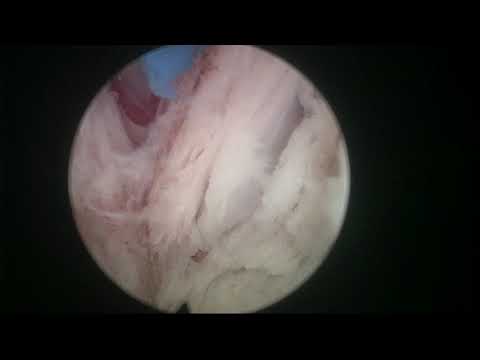
An en-bloc HoLEP with early apical release in a relatively bulky, three-lobed prostate. The recording was shared as the author resumed non-urgent surgery after the COVID-19 lockdown. The written description does not provide a numerical prostate measurement or postoperative result.
Documented details and sources
Only details explicitly stated in the sources. Missing information does not mean it did not occur.
- En bloc
Real Life HoLEP Cases númber 9: En bloc HoLEP with early apical release on a bulky prostate
- Early apical release
Real Life HoLEP Cases númber 9: En bloc HoLEP with early apical release on a bulky prostate
Source checked: 2026-10-06.
Available transcript · English
Subtitles exported from the original-language YouTube Studio editor. Not clinically reviewed; source identity and timestamps verified, full audio coverage not verified.
They may contain transcription or translation errors; check the explanation in the video.
- please don't know okay so here we are again back to work after the Hobbit endemic we had to suspend or all our surgical activity but we're back now to work and of course we are taking precautions now but I'm going to try to retake the publication of polyp videos here we are poly videos of on YouTube so there we are I cannot twist enough that's the euro over there okay so we're ready to start and as always I'd like to inspect the epochs you see you can perfectly see the the sphincter limits with the epochs and I'm going to mark the white line this is very common that we get some bleeding at this stage mucosal bleeding so if I can I'd rather start at 12 o'clock because that's the let's say more most important landmark I think 12 o'clock
- and then later on if you cannot see very well you can check on that and so you know where the limit the limit is so many times you can complete the white line demarcation circumferentially sometimes the bleeding starts and then you cannot see very well you see that I'm working on the white on the white line that's the sphincter limit and I'm going to continue marking so if you have good visibility usually it's a good idea you see sometimes you get into this situation where visibility starts falling down and then you're not so sure so if you can tackle the bleeding and continue okay otherwise I wouldn't spend a lot of time there but what I was going to say is if you have the opportunity to deepen a little bit this white-line it's a good idea because it
- makes the rest of the procedure much easier you see so if there's already a groove between the sphincter and the apex you're going to have much better access and much better visualization you can spend a little bit more time preparing the article limit of the dissection we are to this side here I'm going to work always now on the previously marked white tissue that will make sure that the sphincter remains intact and also it protects the mucosal lining of the sphincter I think that's it's really important to preserve urinary continence we did a prospective study using Moses for Halep and we did 80 operations and we had a immediate continence rate of 99% so patients didn't have stress incontinence and I think that's a major breakthrough in the volume
- laser surgery because everybody agreed on the benefits of this operation I also have a lot of people feared that there was a high chance of temporary foster Brady incontinence that is now as I said over thanks to this new new approach okay so here what I did was to enter in the plane in both sides with a little bit mechanical pressure and then I connected both planes in the midline huh so this is a very now I'm going to position the fiber at 12 o´clock as I always do I think it's nice to let's say be systematic in your operations because you get very familiarize with what you see and what you do and then things become easier and easier with experience so I tend to repeat the same moves once and again that looks to me like a small nodule BPH nodules so I'm going
- to see if I can take it out you see here we are but otherwise I will try to follow this line of attack you see we have a line of attack is telling us where the dissection is going and I trust it more than they say they're not to me that I see you know many times even when you're not very sure where the plane is going if you keep let's say a reasonable that's probably a little bit deep there so we can correct as I said the the line of attack gives you a lot of orientation and it makes the procedure much easier now if you follow this uniform wide line of attack from side to side I'm going to do the posterior dissection to a point where I find it let's say still comfortable where I don't have to be push you see that's the let's say deeper aspect of the plane
- but I'm trying to respect my my line of attack it's doing well and here I'm starting to think that probably I did already dissect in often of the posterior plane so if I come out you can see what happened you see the posterior aspect of the apex has been totally detached from this winter there is only anterior attachments so we have our white line as you see here I'm going to try to it's a little bit of Klingon here anyway we're going to try to follow the the white line and to dissect the epics from the sphincter I'm not going to go to the proper plane which would be here for the moment I'm just going to cut the adenoma it's a following the line of attack I'm going to get on the adenoma you see for about half a centimeter coming up towards 12 o'clock and this is going to
- detach the sphincter from the apex and when we go to look for the good plain you see we have a much better access just because we need this initial incision so here I like to say not only dissect the apex but go a little bit inwards because it gives you in this liberation here a little bit lower liberation makes it easier to to dissect the apical part later so here again I'm going to cut so what I want to cut is the attachment of the epics with the sphincter by following the white line and sure that I'm respecting the sphincter and then I'm going to look for the good plain to try and develop this explain you see it's and it's an ascending let's say does dissection strategy I am gradually ascending of course extremely careful with this thinker you
- know in the classic technique most people dissect this lateral lobe they go up but they never look back they never go here to see what's going on you see and it's important to come here to cut the attachments of the sphincter to the apical tissue you see like this because that gives you a lot of access and it's a safe access you're not ripping you're not breaking the the mucosa of the sphincter you can see that the irrigations lipid compromise sometimes we realize that we need to focus a little bit better so that's the tip of the fiber is clearly visible I'm going to ascend towards 12 o'clock very carefully and very progressively if you do a good apical liberation the rest of the procedure is going to be really a piece of cake here again we are
- on the white area so this already received you know some energy before and let's see what we have here this is a nodule continually this seems to be 12 o'clock so here I think you can start connect a little bit still so tissue up there you see as long as we are in the white region we know that the sphincter is not being damaged so that's that's why I love this let's say white line concept look this is more 12 o'clock we were a little bit let's say further inside so that's why I like to come out you know to check the epic sometimes it's a little bit tricky there's not so much space you don't see very well but that's a 12 o'clock area we know we are working on the right let's say place not damaging the sphincter you know
- that in these times webinars are now very popular and I have seen some webinars and some experts in Halep tell you that they lower the energy when they get closer to the to the sphincter and I have to say I don't believe in that concept because course I think when you when you experience let's say post-operative incontinence you want to avoid it and you look for the possible plausible reasons for incontinence but of course I use the energy at full power very close to the sphincter all the time and my patients do not have incontinence so what what is the meaning of that I think the meaning of that is that probably that concept that the energy close to the sphincter is let's say responsible for incontinence after
- the operation is probably not correct only not true well at least I don't believe it's true so here we're doing the same this is sphincter edge you see here I'm cutting on the adenoma first see I don't care if I enter there nama because all that tissue is going to come out with the adenoma I'm not leaving Noma at the epics because I'm going to go for the good plane now you see so basically I'm going to follow the good plane once I have gained access to the to the right plane let's see here I'm flashing a little bit with the leg of the patient coming up up up let's see where this is leading us there we go coming up that's a good plane so if we look in here this is a cut I did you see originally but
- it's coming out it's just a way to gain access to the right plane you see this is now twelve of tissue I'm going to cut here it's a in the weight white area so I think I can cut here without any trouble and that's going to help us a little bit to say find the good plane again try to follow the plane upwards to see if we can connect this anterior plane at 12 o´clock you see by cutting the attachments of the apex to the Vivian oma we gain access we can then start to dissect the proper plane and more importantly I think the stinker tends to retract a little bit to go you see out of the way you see there is a big space from fainter to two effects we can move around in here without stretching the distinct are too much alright so we can climb up
- we have to say look for the uppermost plane here because there is a risk to leave some tissue and to cut through the anomaly instead of following the proper plane so you know just try to stay close to the capsule follow that plane all the way let's say towards the interior part of course at the end of the procedure you're going to go back and look and if there is any let's say residual optical tissue you can always let's say trim it trim it at the end but it's nice if you can let's say get as interior as you can and this of course is the most say complex part of the operation this is where people who learn this procedure might initially have some some trouble but you see you have to understand that once you have to touch the apex from this thing there were what we
- call the early liberation of the sphincter everything you do here is quite safe so it doesn't matter if it takes a little bit longer sometimes I have to say I encounter some cases where the apex is easier in some cases where the apex is more difficult to to dissect but you see by doing a gradual access to the to the plane and developing you know letting the energy do its work it's always possible hard to detach the apex from the sphincter and to continue with the nucleation in a circumferential fashion here we have released this in a big in a big part let's see this is almost 12 o clock I think see where it takes us here let's see if we come from the other side in this direction coming up coming up trying to follow the plane of the capsule we're going to
- encounter some until your apical it's a tissue and attachments you can see that this space is very small and sometimes the quality of the irrigation and the division is not so good but now we have already managed to connect anteriorly so from now on the operation is going to be a piece of cake heading this we just have to follow the plane you see follow the plane in the most reasonable plane circumferentially trying to connect you see with the previously dissected plane circumferentially I like to dissect anteriorly a little bit if I can because it allows the prostate to their nama to descend and then we have a very nice very nice space here very nice space of course you have to think that the nama is spherical so you're not this setting a cube you're dissecting
- a sphere which means that you have to adapt to the curves that's very nice you see the quality of the tissues I'm seeing is quite convincing and nice and you can see how fast I am developing the planer another important message is that the fiber has to move around you have to move relatively fast because if you move the fiber the amount of say the danger of cutting in the capsule is quite small you know you don't stay too long in the same spot you're just traveling from side to side so if you make a nick in the capsule there going to be a small one all right try not to be very static some people are very static like this you see very static that's a mistake you have to move travel with your fiber you see move around and then you have to tailor where you are
- pointing your energy so it does let's say what you want it to do huh here you see we are connecting with the lower aspect you see very many times you see discrepancies in the plane like here you know when you go from the lower plane to the lateral plane sometimes you find out that there is some discrepancy and that's because they brought the gnome is not a sphere and I except it has a lateral loads that push laterally a middle lobe that pushes downwards and we know the Trigon so you have to try to imagine how the prostate is shaped and to try to adapt to that shape here you follow the line of attack you see there is a line it's a circumferential line around the Anoma I'm trying to follow it if I go let's say too deep for example that probably isn't very deep I can just
- put my favorite little bit closer to the Anoma to try to correct and if you try I mean if you think you're going in there Norman you can open up a little bit and correct remember the fiber has 0.5 millimeters so we are seeing a huge magnification here and every little mountain on the tissue is just a small very very tiny indentation now let's go to the other side you see there is glowed like this just fire the laser and the the mechanical wave is going to clear the clots so again we are progressing circumferentially that's my line of attack so if you see you have to constantly try and find let's say the good plane following the guideline of this circumferential line see so but on of course you can make mistakes you can get a little bit into the capsule it's
- important though that if you do something to the capsule it's not very deep so that's why I'm talking about moving the fiber around and making it say efficient dissection but not very deep cuts I'm not going very deep I'd rather pass you know several times doing a small effect to see if I can progress with my dissection I'm not I'd say risk perforation for example we are see once the apex is liberated the rest of the procedure is quite quite quite fast here we are working at 252 joules and 50 Hertz which is the classic high power setting for polyp here I'm entering the bladder and clearly you can easily distinguish the bladder by looking at the vertical vertical fibers to see this when you see this fibers going vertically see in opposition to this ones who go
- circumferentially who travel to whose direction is compression then you know that you're going to enter the ladder here I think it's important to make a small opening in the mucosal so it doesn't I mean if the bukoza has no connection to the to the bladder what you can do with the water pressure is to dissect the mucosa off the bladder neck so once you get to that point I do like that I punch inside to open a communication so the water can flow in the bladder and not dissect the mucosa and peel it off the the bladder neck here again I'm following the circumferential line you see if I'm going too deep I can correct so you're always looking for a good balance force with experience you get more and more comfortable but sometimes we get a little bit into the capsule
- sometimes we see deeper let's say regions but you shouldn't panic just correct your plane and continue with the dissection you understand that if your dissection is dynamic and you can do the procedure in a reasonable time if there is some extravasation of water it's going to be a small amount so you don't want to do this operation very long by you know I think there's an advantage to do a more dynamic dissection where progression is is quite faster of course you you can get up to speed with experience so here we're coming out towards the bladder neck there we are let's they let our neck see bladder Mufasa this way we continue with our dissection to me it's very important to keep this line very uniform and do only one line not do several lines
- where you get lost but try to insist just correcting a little bit the section plane or the you say the targeting huh as I said in other videos initially you want to fire towards the line of attack as the procedure progresses then you have to go a little bit closer to the ad normal you see that is because that plane that looks like an Omaha but it plane looks a little bit deep so you have to judge of course do not crazily follow a plane that looks let's say like that maybe it's a good one but get closer to the Annamma and see how it develops very carefully because you don't want to go that's that Noma to me so we are in a good plane but I'm going to keep the energy much closer to the adenoma than to the capsule huh if you fire here
- you're certainly going to perforate but if you fire up here you see it's going to detach from the capsule but it's not going to deepen too much if if the posterior plane gets a little bit tricky or difficult or you're afraid that you're going too deep then I think it's better to to go to the side to enter the bladder neck and then do the dissection from the side towards the posterior because that helps to keep you in the right plane huh you see that I like to say that this is a symmetric dissection so I wouldn't go too deep when you see there's a lot of prostate that hasn't been dissected yet so let's see where we are going that comes with the line of attack here you have to judge where am I going is it too deep you have to just sometimes should I take this
- out because maybe we are living tissue behind I don't think it's too much but sometimes it's worth going back and exploring a little bit to see if you're following the right or the right plane now also sometimes unless you have a very very good plane there are often that no matters nodules that tend to invade the capsule so you see you can go a little bit deep trying to get these out see we had this dissection over here and then here we're going maybe into the peripheral zone so I'm not sure we should continue there but you see you can have doubts and you can try to explore let's say the different possible planes when but when you find out someone some plane that is not very convincing or it looks risky then maybe you can just go back to the to the previous plan remember
- we are saying this under huge magnification see this plane here looks a little bit flimsy so I'm keeping my fiber close to the Anoma at all times maybe this should come out let's see looks like a nama there sits like a nodule sometimes it's a thin thin thin capsule down there sometimes we are taking some of the central song with us I've touched through the Anoma huh let's see so don't get lost on this let's say in aberrations you just try to progress when you think you're in a good plane maybe there's some area that is a little bit harder then you can maybe postpone it's a little bit and then see how it goes with the race with the rest of the that's a shape of the adenoma so you have a very nice natural plane here when we come down
- we're going to know more or less which which is the good plane huh here we're coming now until early let's see this this point when you're let's say going near the bladder neck coming up it's not unusual that you can damage the capsule I believe it so you have to remember to let's say follow the curve of the prostate do not continue straight up because at some stage you might see course small perforation because the shape of the enormous circumferential here we are you see that's the way to the to the bladder neck so we are in a good good situation and in a good orientation just let's work it a little bit more in that direction to connect there we are coming up again to the bladder neck area it looks like a good plane here we
- follow the line of attack all around the prostate ah there we are you can see that we're connecting now with the other side and what we see here is the middle lobe so very often we go on till early anterior to the anterior commissure but we see the middle lobe down here so now see progressively the situation gets better and we are progressing very very safely very safely there is no significant bleeding surgical time is quite short I think although it's taking a little while it's probably a large largest gland so bladder neck if we go in we should see the euro which was quite far away so we have no it's not it's not a big concern here see here we have a nice plane so let's follow it towards the
- side but the other side let's say and see how it helps us you know know which one is the good plane of course we're going to leave a thin thin capsule there but it doesn't seem to matter now we take the catheter out the next morning anyway even when we have small perforations who take the catheter out we're very aggressive removing gutters because we have seen it's quite quite safe and even in cases where you think wow this man is going to extravasated you know it seems that overnight and the hours that you have a catheter in there will be a clot forming and there would be some contraction of the capsule maybe what looks is a big perforation or a big you know weak raw area in the in the image in the noscoping image is
- probably just a small nick has no functional let's say consequence postoperatively so one tends to say get impressed with watching this holler procedures and you think but it's only because it looks unfamiliar when you have been doing to you RP for example you never this deep I think the majority of cases and you just have to get used to it again you see how nicely this this plane is developing I'm keeping my fiber pointing very close to the Anoma you see just not firing against the capsule but a little bit more inside like that so the energy cuts the attachments are the Anoma to the capsule but it doesn't penetrate in the castle and this is the way this is the way to dissect the posterior plane without perforating
- or going retro trigonal of course always cases on cases some cases are easier than others that's the mucosa near the Trigon so we're going to have a breach to dissect up here you see I'm sure that we can come out but there will be a bridge of tissue here this is say what we found has to be around there somewhere is all now connected okay so now we come down below the middle of we are below the middle of now trying to connect trying to bring this incision towards the midline on this side we come out and check on the other side and see how we're going steal some attachments to cut and really this operation is say it needs some training but it's possible to learn you see we use a tool that provides very good hemostasis we're quite relaxed you know as soon as I am
- pushed the Anoma in the bladder I'm going to ask my colleagues to go and look for the next patient because by the time we finish this operation an expression will be ready to enter the the operating room you see here so this is see the big fossa big fossa nice plane now very very and sometimes when you come to this point you can try to push the Anoma a little bit in the bladder let's see you have to negotiate let's say the passage of the Nama into the bladder sometimes it's not it's not very easy sometimes the difficulty comes from this let's say attachment but when you push at least I don't know one lobe into the bladder or something like that typically yeah there it goes it flips inside now look what happens you have the force is empty
- there are no mice in the bladder you can see one side and you can see the other side you can see the remaining tissue here so if it gets difficult to go to the bladder neck you can try to do this tilting maneuver and then the inoculation is finished huh you see did we come out we come out we should be able to see that the sphincter has been preserved but not only this thinker but also the mucosa of the sphincter maybe here this is Monique but I think this patient's going to be perfectly continents from day one huh so a little hello status if it's needed we have let's say better first pass Hema status with Moloch Moses but home iam works also pretty well it's correlation to obtain population what I do is I separate the fiber from the
- tissue a little bit gradually get closer to the tissue until I get this blanching effect on the tissue this gets a little white that's a little bit on the edge but nothing to worry about this is probably a small no matters no deal so I'm going to try to see if I can take it out it's probably not very relevant but because we have removed already I don't know 80 percent of the volume of the gland but you know this process look very big at the beginning and when you do a cystoscopy let's say three months later it's a very small fossa and maybe this little bit of tissue which is not obstructing here can become obstructive so I think it's nice to be able to to remove everything if you can to be comprehensive that's a little bit of a capsule this is the we
- were exploring over there and we went a little bit in the peripheral zone often you can tell if this this say this this aspect is is more of the peripheral zone that will contract and nothing important will will happen I think it's almost completely free or it's totally free now here and checking the Hamill status to make the video look good it's important to check indemnity of the you OSA both are okay also the there is bleeding many times the bleeding comes from the mucosa sometimes the explosive nature of the volume you know it produces some damage like that to the mucosa and there gramby bleeders inside that are pouring some blood into the bladder and then make a modulation more difficult there we go so it's more slate
- and now I'm going to change the instruments I'm going to use the never scoped to Indian population there we are okay so let's change instruments and we will start with the Malaysian see they had Noma on top see the bladder so I leave the entry open so the bladder fills again when when I change the instruments there's some water coming out so before the amortisation starts a led to the bladder field palpate the bladder to see if it's a full and then I position my blade below the adenoma in a comfortable position in the center and I like to keep my late well inside well inside because that gives me some perspective on the most elation as it is happening and also if you see there is white tissue above I said Noma you see the blade two black triangles and these black
- triangles are telling you that you're far away from the bladder smooth kosa if you get close to the bottom of cosa they become pink you see so you don't want to see pink in the triangles you want to see black line that it means that you are in a safe position two more slate it's important the choice morcellator some more Slater's are faster than others I'm using the richer world Pyrenean system and it's very very satisfactory I think the storts morcellator has improved lately and some of my colleagues are talking about the hawk most later coming from China and I don't know you have to have one that works very well and you have to have a replacement now we have two more Slater's because if there is any Malaysian problem well you don't want to resort
- to any strange way of removing the UNAM I think when you do laser surgery you should have plan B for everything we have two lasers as well and if in case there's a machine breakdown we don't have to stop our work some people use the bipolar receptor scope as a backup so if you're doing home IAM and something goes wrong in the technical part then you can resort to continue the operation with a bipolar loop or bipolar instrument that allows you to do the bipolar or say Salvage procedure I I really like the laser hair mustaches it allows us to send the patient's home in a lesson I don't know 14 16 hours I think this man is now like 55 p.m. in Madrid we'll put a catheter we'll take it out tomorrow at 8 o'clock and he will be leaving the hospital about 10 10 a.m.
- so it's not not long catheterization period and patients tend to avoid it quite normally ok if we have a situation where more solution is not efficient you have to take into account that you're sucking out a lot of water when you can see the blades moving it means that there's no tissue covering you see every time we activate the pedal and there's a lot of water being sucked out and you have to be conscious of that because you could empty the bladder and then you could be in trouble sometimes it happens because there's some clogging of the tubes sometimes the tissue is very hard sometimes there is some vacuum leak somewhere so there's a malfunction of the Malaysian you have to check you have to see what's going on
- sometimes we can mostly it from beginning to end non-stop but sometimes like in this occasion you see there is some disengagement see if if a big piece of tissue clocks the the tubing even if it's moment Aeneas Li the suction ceases you know and the tissue goes away from the tip of the morcellator but so far so good just don't keep the pedal on sucking motor out of the bladder just and if you feel that the batter is soft on palpation just wait a little bit let it refill before you continue with so many times we come here to fish you see I'm not rotating the blades just aspirating and then I'll lowering my hands so the tip of the marsh later goes up and we can continue with the Morse elation
- also when Morse elation is inefficient we can try to slowly withdraw the instrument slowly withdraw the instrument and see if we can get in the FASTA you see that's the prosthetic fossa sometimes if you can lure the piece inside the fossa it won't go anywhere we'll be lets say retained by the by the walls of the fossa you see and that allows you to do a much more efficient more solution when the tissue is hard or when the engagement of the Noma and the blades is not perfect of course you have to be very still so you don't go anywhere just stay there and in safe safe position inter capsular and the tissue will never leave you won't go anywhere because it's trapped inside the fore side it's a good trick but in order to be able to do that
- you have to have a good visibility inside the fossa so the hem stances should be excellent if there is some bleeding in the fossa then maybe you cannot see to enough to make this safely so this is almost completed to give it to sometime it's probably a large clam its was estimated that this man had a 990 gram prostate so it's probably I don't know 60 70 grams of tissue coming out so it would need six seven eight minutes something like that 10 minutes to to finish the the more solution you see we can now systematically do these cases under one hour and I think it's a great thing because we can for example today we have four cases scheduled and a bladder tumor to do a TR VT and it's a very efficient use of time these spaces will stay in the hospital only overnight
- to go home tomorrow go back to normal life in two or three two or three days all right so that's the fossa it's nothing inside the bladder it's important to extract these little pieces because we can block the catheter and I think now we finished that's the tissue coming out this is a beautiful swing tur and off we go I hope you enjoyed the case see you next time Molly okay